
I’m not sure if it’s a good thing or a bad thing, but I’m an avid TikTok watcher. While I do make some TikToks from time to time for my personal amusement, I spend most of my time on there watching funny videos, checking out new cooking recipes, and watching leadership/development content. Yes; the latter exists on TikTok.
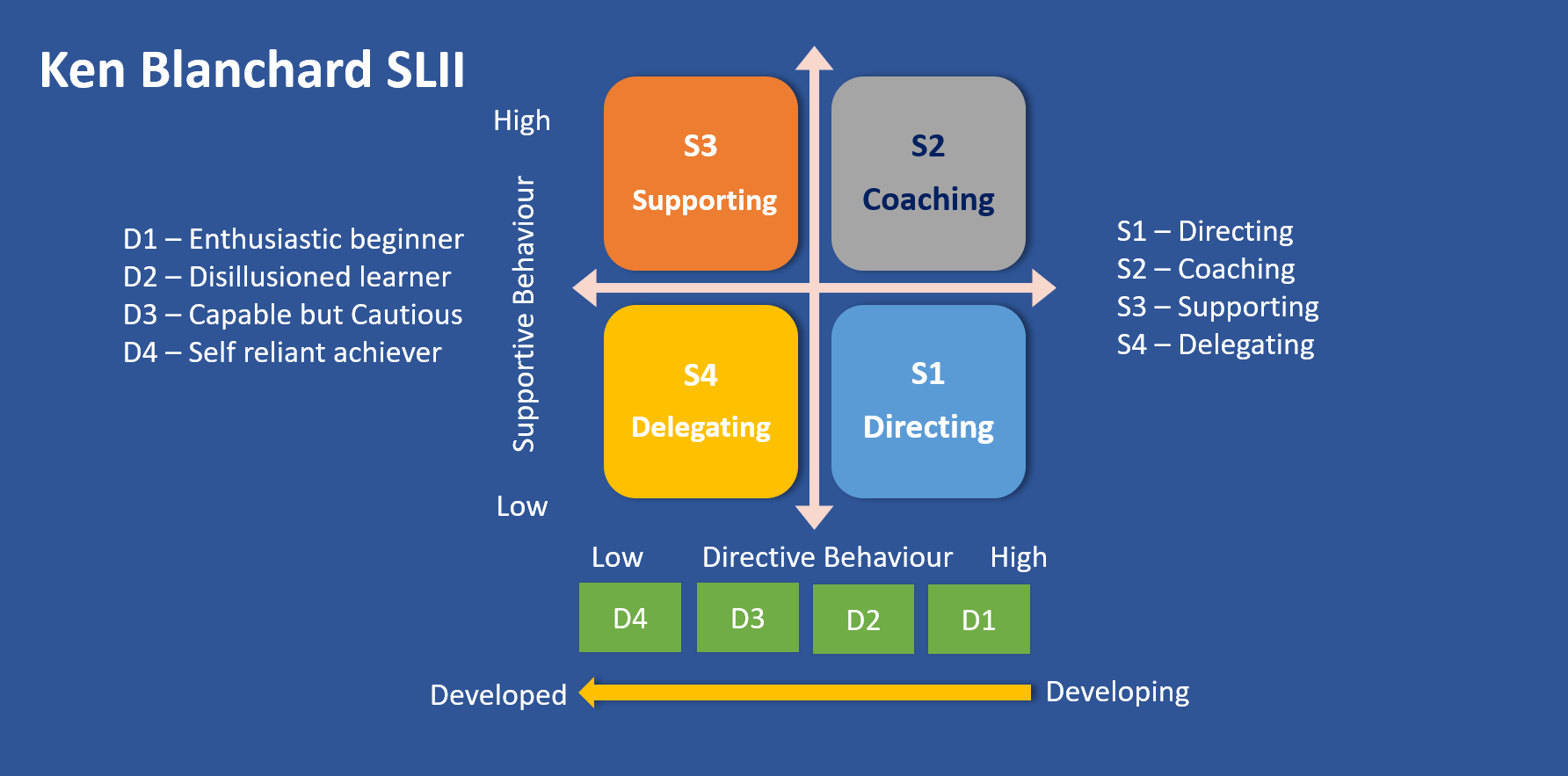
Recently, I stumbled upon a TikTok that reminded me of the lessons from my first master’s-level class, Introduction to Educational Leadership with Dr. Jim Bird. The video explained the Situational Leadership Model by Dr. Paul Hersey and Dr. Ken Blanchard. I won’t delve into the research, but I want to remind us that our leadership must be constantly adapting to the unique individuals within an organization.
So often, as we lead people, we fail to remember this simple truth: Everyone needs to be led differently. Individuals have varying levels of competence, desire, work ethic, natural ability, etc. Frustration can set in when we don’t see people making the progress we want them to make. While it’s certainly not always our fault when an individual fails to make progress, we would be wise to examine ourselves first.
Consider your team, whether students, teachers, administrators, or building principals. Assess where they stand on the development continuum. Are they Enthusiastic Beginners, Disillusioned Learners, Capable but Cautious, or Self-Reliant Achievers? To help them grow, adjust your leadership style accordingly:
- Low skills and low internal drive: Provide clear direction and guidance (S1).
- Low skills and high internal drive: Coach and help them acquire needed skills (S2).
- Skills but lacking internal drive: Offer support to address their obstacles (S3).
- High skills and high internal drive: Trust them and allow autonomy (S4).
Failing to grant autonomy to highly driven and skilled individuals can lead to confusion and frustration, or even loss of talent. Similarly, failing to provide clear directions and concrete next steps to individuals with low drive and skills won’t often produce the progress we want to see. A valuable exercise is to assign each team member to one of these quadrants and evaluate your leadership approach. Are you providing what they need to succeed? If not, what changes can help them reach their potential?
Choose to be Great!
Angelo

 CHOOSE TO BE GREAT