
I always found this time of the school year to be hard.
The stretch between breaks, for most, lingers. The weather is warming and everyone’s pent-up energy from the winter cold wants to burst at any opportunity. Often, at every opportunity. We’re in the heart of our curriculum. Kids are tired. So are adults.
If that’s not enough, end-of-year anxiety begins to set in. Some students begin to worry about their next step, whether that’s which college they’ll attend or if they’ll pass their classes. Likewise, teachers begin to stress about many things, ranging from their own performance to what teaching will feel like when their hallway bestie retires at the end of the year. Administrators are often struggling to keep up with rising discipline while remaining current or (let’s be serious) catching up on their observations. Everyone is concerned about the budget and what it means for meeting kids’ needs next year.
As I finished writing those two paragraphs, my Apple Watch alerted me that my pulse is high. I’m sitting at 104 beats per minute. I’m guessing you can relate.
All of that is why I want to share this quote with you:
Life is never made unbearable by circumstances, but only by lack of meaning and purpose.
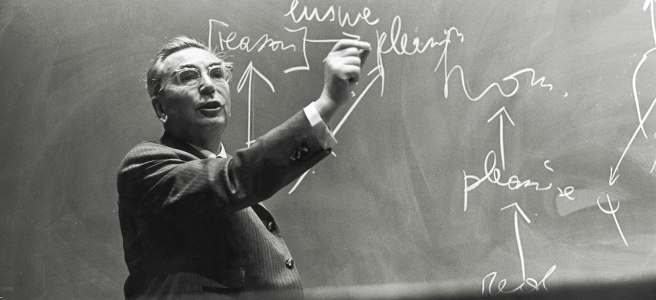
That was written by Viktor Frankl – the good doctor from Austria who survived over three years in Nazi concentration camps – in his most influential book, Man‘s Search for Meaning. During his time in the camps, he lost his entire family, including his pregnant wife. And yet, despite losing everything, witnessing unimaginable horrors, and enduring some of the worst conditions in human history, Frankl survived, rebuilt his life, and made wonderful contributions to the world.
In Man’s Search for Meaning, Frankl writes about both his experiences in the camps and his beliefs about human psychology. One of the most basic was this – humans can endure hard things if they don’t get disconnected from purpose. If this one isn’t yet on your bookshelf, I’d highly recommend it.
I shared the quote because this is also often the time of year when educators aren’t thinking enough about meaning or purpose. The unfortunate reality is that we don’t think about those things often enough to begin with. The inspiring sessions often provided to us at the beginning of the year have drifted far from our minds and, at worst, we’re simply reacting to stimuli – whatever crosses our path next. This is a recipe for a long, arduous spring.
Instead, I suggest we return to purpose. To everyone, I would invite you to find a few quiet moments this week – this morning, even – and spend time reflecting upon the meaning of your work and the purpose for which you do it. I suggest you share your answer with the people who surround you – your classroom neighbor, your work bestie, or maybe even your students. (I wonder: Could our students answer that question about us?)
Leaders, you have a greater responsibility. As leaders, we are called to remind the people we serve to consider the purpose of their work, its meaning in their lives, and the possibilities they hold for the future. The best leaders – the ones chasing greatness – are constantly doing this. They’re not just working off checklists and getting through the weeks, but they actively help people return to the deeper meaning and purpose in their work. I don’t know if it’s the most important thing they do, but it’s absolutely one of them. More importantly, it’s easy to see in places where that work isn’t being done.
In closing, I want to leave you with another powerful quote from Frankl:
Between stimulus and response there is a space. In that space is our power to choose our response. In our response lies our growth and our freedom.
None of this matters unless you choose to do something with it. I hope you’ll choose to do something great.
#ChooseToBeGreat
Angelo

 CHOOSE TO BE GREAT